
Spirulina: The Blue-Green Superfood
What spirulina is, where it comes from, and what makes it one of the most nutrient-dense foods studied - from Aztec harvests to modern cultivation.
The world of nutrition is constantly evolving, yet some foods have been treasured for centuries. One such remarkable superfood is spirulina. This blue-green algae has fascinated civilizations for thousands of years and continues to captivate modern health enthusiasts today.
A Journey Through History
Spirulina's story is as fascinating as its vibrant blue-green color. This incredible organism, scientifically known as Arthrospira platensis, is a free-floating filamentous cyanobacteria that thrives in alkaline waters. You can find it across multiple continents, from the warm alkaline lakes of Africa and South America to the mineral-rich waters of Asia.
But spirulina isn't a modern discovery. The ancient Aztecs of Mexico understood its profound value long before modern science validated it. They harvested spirulina from Lake Texcoco and transformed it into "dihe," a nutrient-dense, sun-dried cake that sustained them through their most demanding activities. Similarly, in Africa near Lake Chad, communities created their own versions of spirulina-based foods, recognizing its life-sustaining properties.
How Nature Cultivates Spirulina
Today's spirulina production is a beautiful blend of understanding ancient wisdom and applying modern science. The cultivation process is elegantly simple yet remarkably efficient.
The Perfect Growing Conditions
Spirulina is an extremophile. It thrives in conditions where most other life forms cannot, which is actually one of its greatest advantages. It grows best in alkaline waters with pH levels between 9-11, environments where harmful bacteria and competitors simply cannot survive. This natural protection means spirulina doesn't require synthetic pesticides or extensive intervention to stay pure.
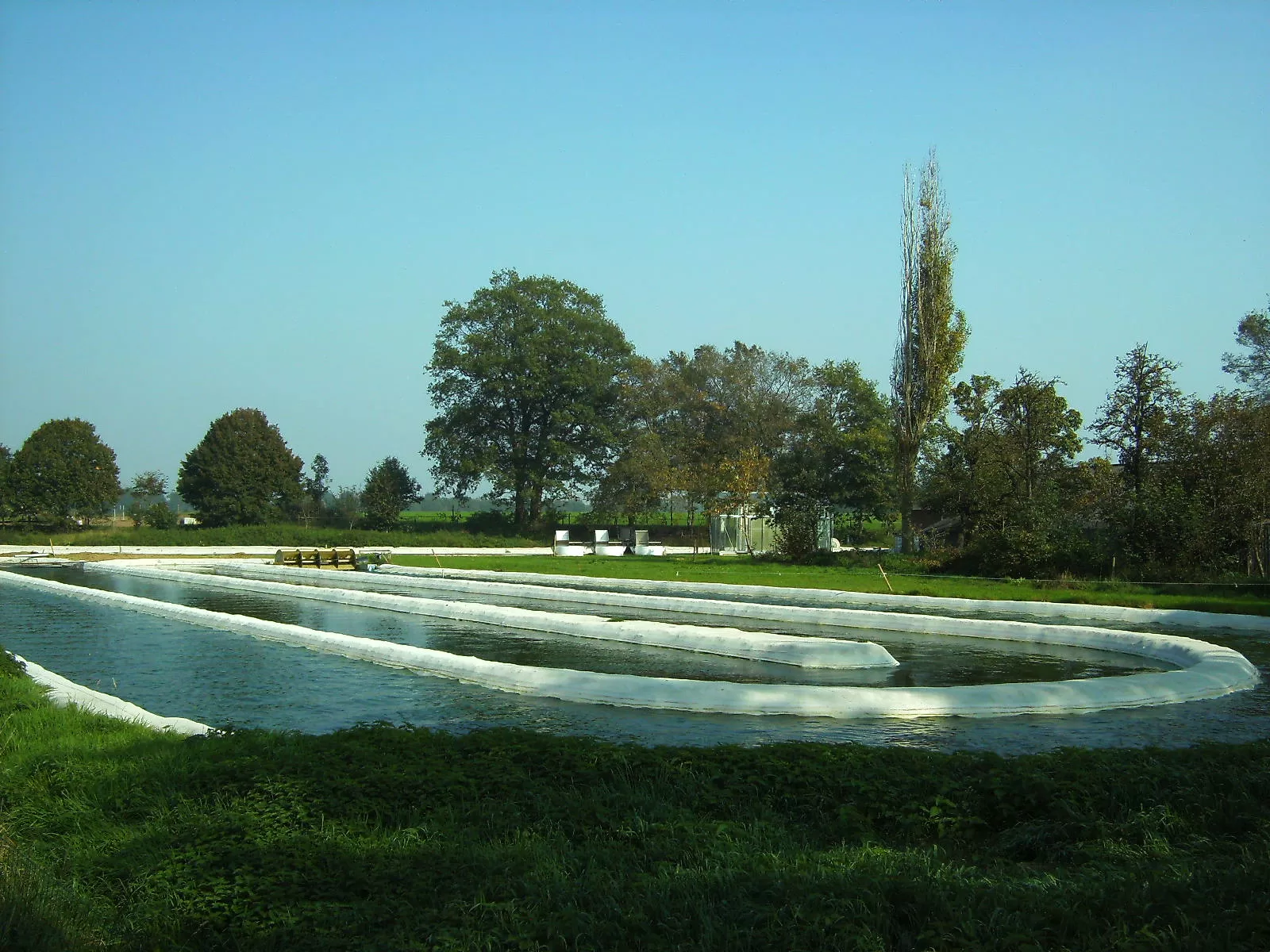
The cultivation happens primarily in raceway ponds, shallow, oval-shaped water channels where spirulina floats and multiplies under the sun.
Harvesting and Preservation
Once spirulina reaches maturity, the harvesting process is remarkably efficient. Fine mesh filters capture the biomass from the water. The harvested spirulina is then thoroughly washed and rapidly dried, a crucial step that preserves all those valuable nutrients we're about to explore.
Sustainability at Its Core
Here's where spirulina becomes truly exceptional. It requires up to 10 times less water than wheat or livestock farming. In our water-conscious world, this makes spirulina one of the most sustainable protein sources available. It's not just good for your body. It's good for the planet too.
The Nutritional Powerhouse
When you look at spirulina's nutritional profile, it's easy to understand why ancient civilizations valued it so highly. A single tablespoon of dried spirulina packs an astonishing amount of nutrition.
Protein That Rivals Meat
Spirulina contains 60-70% protein by dry weight, making it one of the highest protein-density foods on Earth. What makes it even more impressive is that this protein includes all nine essential amino acids, making it a complete protein source comparable to eggs and meat. For vegetarians, vegans, and athletes, this makes spirulina an exceptional dietary addition.
The PDCAAS (Protein Digestibility-Corrected Amino Acid Score) of spirulina exceeds 0.9, which is exceptional. This means your body can actually absorb and utilize the protein efficiently. It's not just there on paper.
Vitamins and Minerals for Everyday Energy
Beyond protein, spirulina delivers an impressive micronutrient profile:
- B Vitamins: Essential for energy production and nervous system health
- Iron: Highly bioavailable iron that your body readily absorbs
- Magnesium: Supports muscle function and energy production
- Potassium: Important for heart health and cellular function
- Beta-Carotene: A precursor to vitamin A, crucial for eye health and immunity
The Blue Magic: Phycocyanin and Bioactive Compounds
The most intriguing aspect of spirulina is its distinctive blue-green pigment, a compound called phycocyanin. This isn't just for show. Phycocyanin is a powerful antioxidant with documented anti-inflammatory properties. It's one of the compounds that makes spirulina such a valuable addition to your diet.
Additionally, spirulina contains zeaxanthin, another antioxidant that supports eye health and protects against oxidative stress.
The Health Benefits You'll Actually Feel
All this nutrition translates into real, tangible health benefits:
Energy and Athletic Performance
If you're looking for a natural energy boost, spirulina is exceptional. The combination of iron, B vitamins, and complete proteins makes it ideal for sustained energy throughout your day. Athletes have recognized this for years, whether you're training for a marathon or simply wanting more stamina for your daily activities.
Immune System Enhancement
Your immune system is your body's defense against illness. Spirulina strengthens this defense naturally. The phycocyanin in spirulina has been shown to enhance the activity of natural killer cells and T-cells, your immune system's frontline warriors.
Cardiovascular Health
Heart health is paramount, and spirulina supports it in multiple ways. Regular consumption has been associated with improvements in cholesterol profiles and overall cardiovascular function. The potassium content supports healthy blood pressure, while the antioxidants protect your cardiovascular system from oxidative stress.
Antioxidant and Anti-Inflammatory Support
In our modern world, oxidative stress and inflammation are increasingly common concerns. Spirulina's rich antioxidant profile, including phycocyanin, zeaxanthin, and other compounds, helps neutralize harmful free radicals and reduce inflammation naturally.
A Living Bridge to Better Health
Spirulina represents something remarkable: a food that has sustained human civilizations for millennia and continues to impress modern nutritional science. From the Aztecs to today's health-conscious consumers, spirulina's value is undeniable.
Whether you're seeking sustained energy, athletic performance support, immune enhancement, or simply wanting to optimize your nutrition with one of nature's most complete foods, spirulina offers a natural, sustainable, and delicious solution.
Ready to Experience Spirulina?
Discover our premium spirulina products and experience the superfood that has captivated civilizations for centuries.
Shop SpirulinaIf you are evaluating spirulina for formulation, retail, or daily wellness use, the next step is simple: focus on source quality, cultivation controls, and transparent testing. That is where the difference between commodity algae and premium spirulina becomes obvious.
More from Viridia
Keep exploring
How to Evaluate a Phycocyanin Supplier
Qualification checklist for teams evaluating phycocyanin suppliers: grade definition, source control, stability data, documentation and supply capacity.
Why Blue Is the Hardest Natural Color in Food
Why natural blue remains one of the hardest color problems in food, and why phycocyanin-based systems matter so much in clean-label reformulation.
Natural Blue - Phycocyanin Replaces Synthetic Dyes
Comprehensive analysis of phycocyanin as a natural alternative to FD&C Blue No. 1, including regulatory implications, formulation guidance, and market analysis.